

The appeal of working in luxury extends far beyond the glossy magazine imagery or red-carpet events. Behind every meticulously crafted luxury experience lies a sophisticated ecosystem of professionals who understand that true luxury is built on expertise, cultural intelligence, and unwavering attention to detail. For ambitious individuals considering this path, the luxury sector offers intellectually stimulating challenges alongside the opportunity to shape how premium brands connect with discerning consumers.
India’s luxury landscape presents particularly exciting prospects. The sector’s rapid expansion has created numerous opportunities for skilled professionals who can navigate both global luxury standards and local market nuances. Understanding how to position yourself for success in this dynamic environment requires strategic thinking and careful preparation.
Mapping the Luxury Ecosystem
The luxury sector encompasses far more than fashion houses and jewellery brands. Today’s luxury professionals work across premium hospitality, luxury real estate, high-end automotive, exclusive travel, luxury technology, and emerging sectors like wellness luxury and sustainable premium goods.
Each category demands specific expertise whilst sharing common principles: uncompromising quality standards, deep understanding of consumer psychology, and the ability to create emotional connections through storytelling. In India’s context, professionals must understand how international luxury brands adapt to local preferences whilst domestic luxury brands develop global appeal.
Developing Industry-Relevant Skills
Success in luxury requires a distinctive skill set that combines analytical thinking with creative expression. The most valuable professionals demonstrate exceptional attention to detail combined with strategic vision, understanding that luxury consumers notice everything from product quality to service consistency.
Communication skills prove particularly crucial, where professionals regularly interact with high-net-worth individuals and demanding stakeholders. Digital fluency has become increasingly important as luxury brands embrace technology whilst preserving their premium positioning, providing competitive advantages in today’s market.
Strategic Educational Choices
Educational background significantly influences luxury career trajectories. Specialised luxury management programmes offer distinct advantages beyond general business education, providing deep insights into luxury consumer psychology, brand strategy, and practical experience with luxury brands.
However, education alone isn’t sufficient. The most competitive candidates combine formal learning with practical experience through internships, project work, or entry-level positions that provide industry exposure and demonstrate both theoretical understanding and practical commitment.
Building Professional Experience Strategically
Gaining relevant experience requires creativity and persistence. Internships remain among the most effective entry methods, though competition is intense. Alternative approaches include volunteering for luxury brands’ charitable initiatives, assisting with luxury events, or supporting emerging designers.
Freelance projects can build relevant experience whilst generating income. Many luxury brands need assistance with specific projects, social media management, event coordination, or market research, that don’t require permanent employees but need luxury-savvy professionals.
Navigating the Networking Imperative
Professional relationships play crucial roles in luxury careers, where personal recommendations often carry more weight than formal qualifications. Industry events and trade exhibitions provide opportunities to meet established professionals, though strategic approach yields better results than random socialising.
Digital networking through LinkedIn and Instagram allows broader connection-building, particularly when combined with valuable content sharing. Mentorship relationships can significantly accelerate career development by providing industry insights, career guidance, and direct introductions to opportunities.
Understanding Career Progression Paths
Luxury careers offer diverse progression opportunities, though advancement requires strategic positioning and continuous skill development. The most successful professionals develop T-shaped skill profiles: deep expertise in one area combined with broad knowledge across multiple functions.
Geographic mobility often accelerates progression, as global brands value professionals who understand multiple markets. Entrepreneurial opportunities also exist, whether launching independent brands, consulting practices, or innovative service offerings, though luxury entrepreneurship requires deep industry understanding and patience.
Positioning Yourself for Future Success
The luxury sector continues evolving rapidly, influenced by technological advancements, changing consumer values, and global economic shifts. Sustainability expertise increasingly matters as consumers demand environmental responsibility. Cultural intelligence becomes more valuable as brands expand globally while maintaining authentic local connections.
The most successful luxury professionals combine a passion for excellence with strategic thinking about industry evolution, understanding that luxury careers require continuous learning, relationship building, and adaptation to changing market conditions.
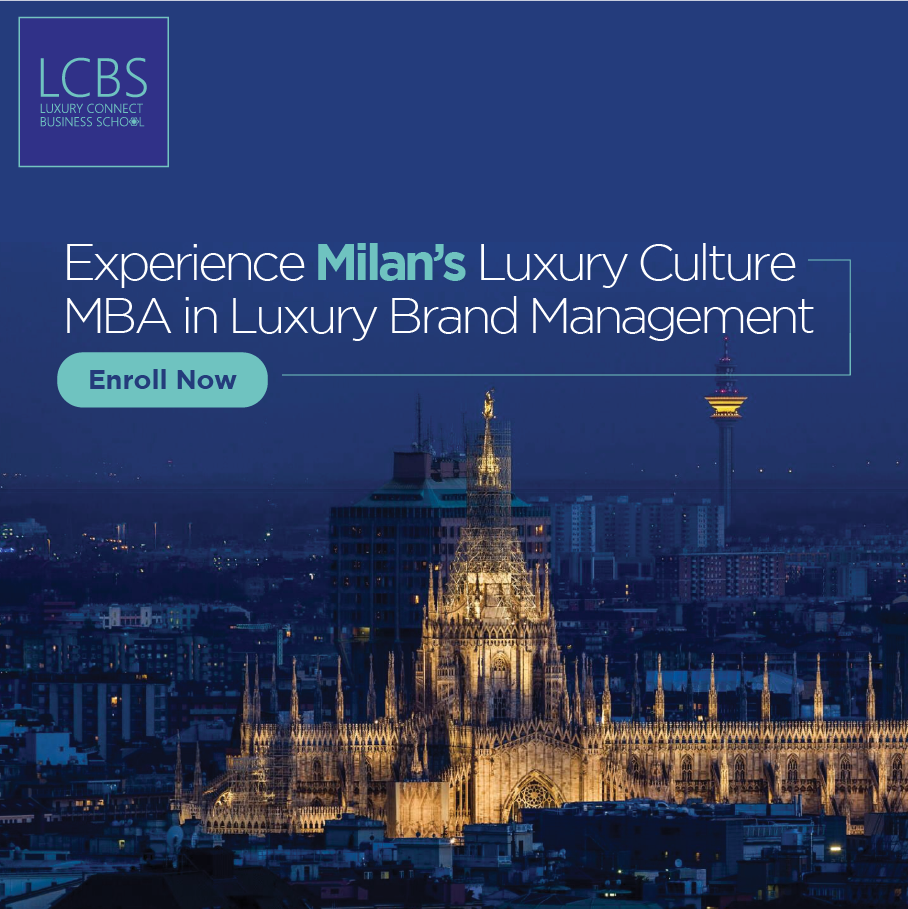
At LCBS, we prepare students for exactly these challenges through comprehensive luxury management education that combines theoretical rigour with practical industry exposure.
Transform your luxury aspirations into professional achievement with India’s premier luxury business school. Explore our comprehensive programmes at lcbs.edu.in.