


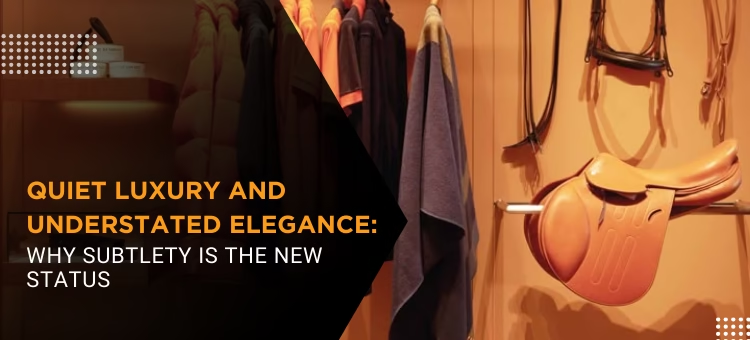
The luxury landscape has undergone a profound transformation. Gone are the days when conspicuous consumption and logo-heavy displays defined premium status. Today’s discerning consumers, particularly in India’s evolving luxury market, are embracing a more sophisticated approach: quiet luxury. This movement represents a fundamental shift from ostentatious displays to understated elegance, where quality whispers louder than any designer label ever could.
The Philosophy Behind Quiet Luxury
Quiet luxury embodies a confidence that requires no external validation. It’s luxury for the wearer, not the observer, characterised by impeccable craftsmanship, premium materials, and designs so refined they need no embellishment to communicate their worth. This approach resonates particularly well with India’s new generation of luxury consumers who value authenticity and substance over mere brand recognition.
The movement reflects broader cultural shifts towards mindful consumption, sustainability, and personal expression rather than social signalling. Modern Indian consumers, increasingly global in their outlook yet rooted in cultural sophistication, appreciate luxury that speaks to connoisseurs rather than casual observers.
Global Champions of Understated Excellence
Italian Mastery in Minimalism
Brunello Cucinelli has long epitomised quiet luxury with its “King of Cashmere” approach. The brand’s philosophy centres on creating pieces where craftsmanship speaks volumes while logos remain virtually invisible. Each garment represents months of skilled work, with attention to details that only a few notice, the perfect shoulder line, the weight of the cashmere, and the precision of the stitching.
Loro Piana similarly champions this philosophy through their use of rare materials like vicuña and baby cashmere. Their products offer sensory luxury, fabrics so exceptional that wearing them becomes a private pleasure rather than a public statement.
American Sophistication
The Row, created by Mary-Kate and Ashley Olsen, has redefined American luxury through architectural precision and exceptional materials. Their collections prove that luxury can be both contemporary and timeless, sophisticated yet accessible to those who understand quality construction.
French Tradition Meets Modern Sensibility
Hermès continues to embody quiet luxury principles, where the iconic “H” appears sparingly, allowing superior craftsmanship to communicate value. Their approach demonstrates how heritage brands can maintain exclusivity without relying on obvious branding.
The Indian Quiet Luxury Renaissance
India’s luxury market is experiencing its own quiet revolution. Traditional associations of luxury with ornate wedding couture and elaborate jewellery are expanding to include minimalist elegance that speaks to sophisticated urban sensibilities.
Changing Consumer Mindsets
Several factors drive this transformation. Increased global exposure through travel and digital connectivity has introduced Indian consumers to international aesthetic sensibilities that value restraint and refinement. Young professionals and entrepreneurs particularly appreciate luxury that complements rather than dominates their lifestyle.
Sustainability consciousness also influences these preferences. Indian consumers increasingly seek investment pieces that transcend seasonal trends, preferring quality items that improve with age rather than fast luxury that quickly becomes dated.
Indian Brands Leading the Movement
Pioneering Indian designers are successfully translating quiet luxury principles into contemporary Indian aesthetics. Abraham & Thakore have gained recognition for textile-focused collections that prioritise fabric quality and construction excellence over elaborate embellishment. Their approach demonstrates how traditional Indian textile expertise can create modern luxury statements.
Bodice represents another successful interpretation of quiet luxury, creating pieces that honour Indian craftsmanship traditions while meeting contemporary aesthetic expectations. Their designs prove that minimalism and Indian cultural heritage can coexist beautifully.
In the wellness sector, Forest Essentials exemplifies quiet luxury through a product philosophy that emphasises sensorial experience and heritage wisdom rather than flashy packaging or celebrity endorsements. Their approach shows how quiet luxury principles apply beyond fashion into lifestyle categories.
Jewellery’s Subtle Evolution
Indian jewellery designers like Bina Goenka and Hanut Singh are gaining international recognition for pieces that prioritise artistry and subtle intricacy over maximum sparkle. Their work demonstrates how traditional Indian jewellery-making techniques can create contemporary luxury pieces that appeal to global audiences seeking sophisticated alternatives to conventional statement jewellery.
Why Subtlety Commands Premium Status
Exclusivity Through Expertise
True quiet luxury cannot be easily replicated because it relies on expertise, rare materials, and time-intensive craftsmanship rather than recognisable design elements. This creates genuine exclusivity that appeals to consumers seeking authentic luxury experiences rather than mass-produced status symbols.
Sustainable Luxury Practices
The quiet luxury movement aligns naturally with sustainability principles. Emphasis on quality construction, timeless design, and ethical production practices appeals to environmentally conscious consumers who view luxury purchases as long-term investments rather than temporary acquisitions.
The Connoisseur’s Appreciation
Quiet luxury rewards those who understand craftsmanship details, the hand-stitching quality, the fabric drape, the hardware weight. These subtle elements create insider knowledge that distinguishes true luxury appreciates from casual consumers, building communities of informed enthusiasts.
Personal Confidence Over Public Display
This approach reflects mature luxury consumption where personal satisfaction matters more than external recognition. Consumers choose pieces that provide daily pleasure through superior comfort, durability, and aesthetic satisfaction rather than social validation.
India’s Unique Opportunity
India’s rich textile traditions, skilled artisans, and cultural appreciation for quality craftsmanship position the country uniquely well for quiet luxury success. The challenge lies in translating these traditional strengths into contemporary luxury propositions that appeal to both domestic and international markets.
Successful Indian luxury brands will likely combine traditional techniques with contemporary design sensibilities, creating pieces that honour cultural heritage while meeting modern lifestyle requirements. This approach can establish Indian luxury brands as global leaders in sophisticated, understated elegance.
Future Implications
The quiet luxury movement represents more than aesthetic preference; it signals fundamental changes in how consumers define and pursue luxury. Success in this environment requires a deep understanding of craftsmanship, cultural sensitivity, and sustainable business practices that support rather than exploit traditional skills.
Understanding these sophisticated consumer preferences and the operational complexities of delivering authentic quiet luxury requires specialised knowledge that combines cultural intelligence with business acumen.
At LCBS, we prepare luxury professionals to navigate these evolving market dynamics while building authentic brand propositions that resonate with discerning consumers.
Ready to master the art of sophisticated luxury strategy? Discover how LCBS can develop your expertise in this nuanced market at lcbs.edu.in.