

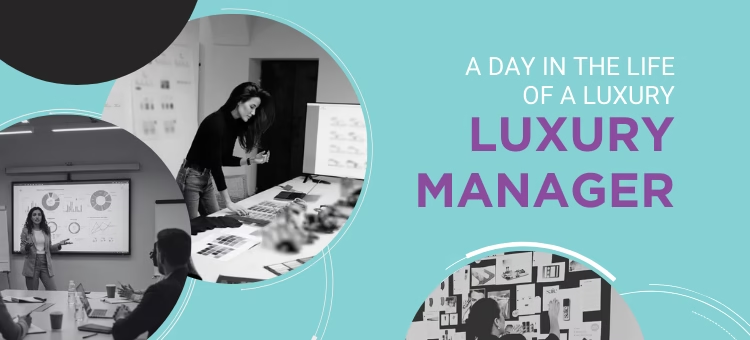
While most professionals settle into predictable routines, luxury brand managers navigate a landscape where creativity meets commerce, where heritage traditions intersect with digital innovation, and where a single Instagram post can influence quarterly sales figures. Their daily reality combines strategic thinking with relationship artistry, all while maintaining the exacting standards that define premium brands.
Strategic Mornings
The day begins with data, not glamour. Before most of Mumbai awakens, luxury brand managers review overnight sales figures from global markets, analyse social media engagement metrics, and assess campaign performance across digital platforms. This isn’t simply number-crunching—each statistic represents consumer sentiment, market shifts, and opportunities for brand enhancement.
Morning team briefings bring together diverse specialists: digital marketers interpreting online consumer behaviour, retail managers reporting from flagship stores, and creative directors planning upcoming campaigns. These sessions balance analytical insights with creative vision, ensuring brand strategies remain both commercially viable and emotionally resonant.
The complexity multiplies when managing international brands in India’s diverse market. A successful campaign in Delhi might fail in Chennai, while messaging that resonates with millennials could alienate traditional luxury buyers. Brand managers must synthesise these variables into coherent strategies that honour both local preferences and global brand standards.
Partnership and Collaboration
Mid-morning typically involves external partnerships that define modern luxury marketing. Calls with Jaipur artisans about limited-edition collections, negotiations with celebrity stylists for product placements, and strategic discussions with digital agencies about upcoming launches fill calendars.
These conversations require cultural fluency and business acumen. When collaborating with traditional craftspeople, brand managers must appreciate artisanal techniques while ensuring delivery timelines meet commercial requirements. Celebrity partnerships demand understanding of both brand values and public personas, creating authentic collaborations rather than transactional endorsements.
International coordination adds another layer of complexity. Aligning Indian market strategies with global brand narratives requires diplomatic skill—advocating for local market needs while respecting worldwide brand consistency. These discussions often determine whether campaigns succeed or fail in India’s sophisticated luxury marketplace.
Relationship Architecture
Lunch meetings serve strategic purposes beyond networking. Conversations with luxury journalists, boutique managers, and high-value clients provide market intelligence that formal research cannot capture. These relationships function as early warning systems for emerging trends, competitive threats, and consumer preference shifts.
Client relationship management proves particularly crucial in luxury, where personal connections often determine purchase decisions. Brand managers cultivate relationships with individuals whose influence extends beyond personal purchasing—style icons, social media personalities, and cultural leaders whose endorsements carry significant commercial weight.
These interactions inform future strategies, while strengthening current market position. A casual conversation might reveal changing consumer priorities, suggest new product opportunities, or identify potential collaboration partners. Successful luxury brand managers treat relationship building as continuous market research.
Operational Excellence
Afternoon hours blend creative decision-making with operational management. Reviewing visual merchandising proposals, approving digital content, coordinating logistics for upcoming events, and managing budgets require constant attention to detail. Every touchpoint must reflect brand standards, from window displays to social media responses.
Store visits provide crucial insights into customer experiences. Observing how consumers interact with products, listening to sales staff feedback, and identifying operational improvements inform strategic decisions. These observations often reveal gaps between intended brand experience and actual customer reality.
Crisis management occasionally dominates afternoons. Supply chain disruptions, negative social media incidents, or competitive challenges require immediate strategic responses. Luxury brand managers must maintain calm, while quickly developing solutions that protect brand reputation and minimise commercial impact.
Cultural Navigation
India’s luxury market demands cultural intelligence that extends beyond surface-level festival marketing. Successful brand managers understand regional preferences, generational differences, and socioeconomic nuances that influence luxury consumption patterns. They craft messages that feel authentic rather than opportunistic, building genuine connections with diverse consumer segments.
This cultural navigation requires constant learning. Consumer preferences evolve, social media trends shift rapidly, and competitive landscapes change continuously. Brand managers who succeed maintain curiosity about cultural developments while developing strategies that anticipate rather than react to market changes.
The role also involves educating international colleagues about Indian market complexities. Explaining why certain colours work better during specific seasons, why family decision-making processes affect luxury purchases, or why regional festivals create commercial opportunities requires both cultural knowledge and communication skills.
Evening Integration
Evenings often extend working hours through industry events, brand launches, or client entertainment. These occasions serve multiple purposes: strengthening relationships, gathering competitive intelligence, and maintaining brand visibility within luxury circles. Brand managers function simultaneously as hosts, ambassadors, and strategic observers.
Research and reflection fill quieter evening moments. Reading industry publications, analysing competitor activities, and planning future campaigns require focused attention that daytime meetings rarely allow. Many strategic insights emerge during these reflective periods, when immediate pressures subside and broader patterns become visible.
The Essential Competencies
Successful luxury brand managers combine analytical thinking with creative intuition, strategic planning with tactical execution, and global awareness with local sensitivity. They understand financial metrics while appreciating emotional drivers, manage diverse teams while maintaining individual relationships, and balance innovation with heritage preservation.
The profession rewards those who think systematically, while acting flexibly, who understand luxury’s emotional foundations while managing commercial realities. These professionals shape how millions experience premium brands, influencing both consumer behaviour and industry evolution.
Understanding these multifaceted requirements and developing the competencies necessary for luxury brand management success requires comprehensive education that addresses both theoretical principles and practical applications.
At LCBS, we develop the strategic thinking, cultural intelligence, and operational expertise that define successful luxury brand managers in India’s dynamic market.
Ready to develop the skills that drive luxury brand success? Explore how LCBS can accelerate your journey into luxury brand management at lcbs.edu.in.