

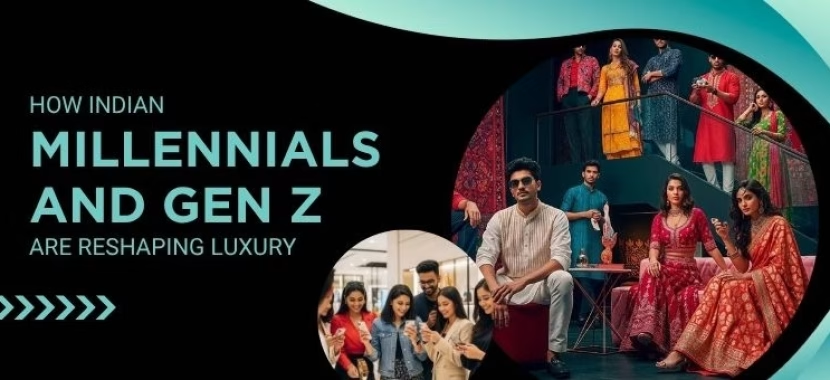
India’s luxury landscape is experiencing a dramatic transformation, orchestrated by the digital natives who’ll dominate 75% of luxury purchases by 2026. These younger generations aren’t simply buying differently; they’re fundamentally redefining what luxury means in the Indian context.
Beyond Ostentation: The New Luxury Narrative
Gone are the days when luxury equated purely to conspicuous consumption and visible wealth markers. Whilst previous generations valued ostentatious displays—the flashiest cars, grandest jewellery, most recognisable logos—today’s young Indians seek something far more nuanced.
For Millennials and Gen Z, luxury transcends material possession. It’s about authentic experiences, meaningful stories, and personal expression. They gravitate towards brands that reflect their individuality and align with their values. As one Mumbai-based Gen Z consumer aptly puts it: “Luxury isn’t just what you own anymore; it’s the stories you’re part of. Without meaning, is it really luxury?”
The Experience Economy Takes Centre Stage
This philosophical shift has catalysed India’s booming experiential luxury sector. Young affluent Indians increasingly invest in curated travel adventures, exclusive cultural immersions, and bespoke wellness journeys. Premium hospitality brands now offer private dining with celebrity chefs, personalised Ayurvedic treatments, and culturally rich experiences tailored to individual tastes.
In fashion, private trunk shows and artist collaborations are gaining momentum, offering clients intimate access that traditional retail cannot match. The emphasis has shifted from owning to experiencing—from having the bag to being part of the creative process.
Interestingly, these consumers are also pioneering India’s luxury resale and rental markets. Research indicates that a third of young Indian luxury consumers have purchased pre-owned luxury items, whilst over a quarter have rented luxury pieces, demonstrating a preference for access and variety over permanent ownership.
Digital-First Discovery and Engagement
India’s young luxury consumers are inherently digital. Their brand discovery typically begins on Instagram, YouTube, or through carefully curated influencer content, rather than traditional advertisements or flagship store visits. Influencer partnerships and virtual brand activations have become indispensable for luxury houses targeting this demographic.
Gen Z particularly demands seamless, interactive digital experiences—virtual try-ons, NFT collections, live-streamed launches. For them, luxury must be accessible, immediate, and culturally relevant. Brands lacking robust digital strategies risk alienating this crucial segment entirely.
Conscious Consumption and Brand Purpose
Perhaps the most significant shift involves sustainability and ethical considerations. Young Indian consumers increasingly prioritise brands demonstrating responsible sourcing, environmental consciousness, and social impact. They demand transparency about production processes, labour conditions, and brand values.
This has sparked demand for eco-friendly materials, traceable supply chains, and brands actively supporting social or environmental causes. For these consumers, luxury quality and exclusivity must coexist with positive impact—making ethical consumption a non-negotiable aspect of modern luxury.
The Expanding Opportunity: Beyond Metro Cities
India’s growing affluent middle class and emerging wealth in Tier 2 cities are further accelerating this transformation. These new luxury consumers are typically younger, digitally savvy, and less interested in traditional status symbols. Cities like Pune, Chandigarh, and Kochi are witnessing a growing appetite for experiential luxury and meaningful brand engagement.
These consumers seek enriching experiences that reflect their identities and aspirations, moving beyond metropolitan attitudes towards more personalised luxury interpretations.
Strategic Imperatives for Luxury Brands
To succeed with India’s next generation of luxury consumers, brands must recalibrate their strategies around:
Personalisation: Creating bespoke products and experiences reflecting individual preferences and cultural sensitivities.
Digital Innovation: Investing in immersive online experiences, strategic influencer partnerships, and seamless omnichannel integration.
Sustainability: Demonstrating genuine commitment to ethical practices and environmental responsibility.
Authentic Storytelling: Crafting compelling narratives that resonate with young consumers’ values and cultural context.
Cultural Integration: Understanding and respecting India’s diverse cultural landscape whilst maintaining global appeal.
The Future Landscape
As India’s young consumers continue evolving their relationship with luxury, brands must remain agile and authentic. Success will belong to those who understand that modern Indian luxury consumers seek more than products—they desire partnerships with brands that enhance their stories, reflect their values, and contribute positively to society.
Those luxury houses embracing these principles won’t merely capture market share—they’ll earn the loyalty and advocacy of India’s most influential luxury generation.
Ready to decode these consumer insights and lead India’s luxury evolution? LCBS prepares you for this dynamic landscape where tradition meets innovation.