

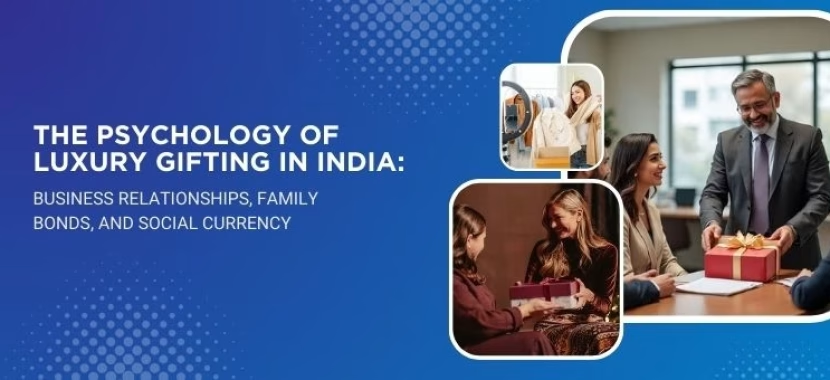
Gift-giving in India operates as a sophisticated communication system rather than a simple exchange ritual. A carefully selected luxury item conveys relationship value, future intentions, and social positioning with subtlety that direct conversation cannot achieve. Whether presenting designer accessories during Diwali, premium hampers to business associates, or heirloom jewellery at family milestones, luxury gifting functions as a powerful language expressing status, trust, and emotion simultaneously.
Cultural Foundations of Gift Significance
Indian gifting traditions stem from deep religious, cultural, and community roots where presents represent love, respect, and duty rather than optional gestures. Festivals, including Diwali, Raksha Bandhan, and Eid, alongside weddings and milestone celebrations, have normalised gifting as an essential relationship expression rather than a discretionary behaviour.
Rising incomes and evolving aspirations drive trading up from traditional items to premium offerings. Fine jewellery, designer accessories, gourmet hampers, and curated experiences increasingly replace conventional gifts as families seek presentations better reflecting recipient importance and giver sophistication. This premiumisation reflects not just increased purchasing power but fundamental shifts in how Indians express relationships through material culture.
Social dynamics add complexity layers. Gift quality, brand selection, and even packaging communicate the giver’s taste, priorities, and social positioning. Luxury gifting becomes a soft power exercise where carefully chosen items signal cultural capital and relationship investment without requiring explicit verbal acknowledgement.
Corporate Gifting as Strategic Investment
Business gifting has evolved from seasonal courtesy into a strategic relationship management tool. Companies now deploy premium gifts throughout the year for client loyalty cultivation, channel partner appreciation, and high-performer recognition rather than limiting exchanges to festival periods.
Contemporary corporate gifting emphasises personalisation aligned with brand identity, wellness-focused items including retreat vouchers and self-care collections, and sustainable products reflecting modern values over generic consumables like traditional sweets and dry fruits.
For senior clients, luxury gifts serve multiple psychological functions simultaneously. They signal partnership seriousness, demonstrate lifestyle understanding and taste competence, and communicate long-term relationship commitment. Successfully executed corporate gifts feel like genuine appreciation rather than transactional obligation or uncomfortable bribery.
Employee gifting reinforces belonging and recognition crucial for retention in competitive talent markets. With India’s corporate gifting sector projected to expand from approximately ₹14,000 crore in 2025 to ₹27,000 crore by 2030, businesses increasingly view gifting as relationship capital investment, delivering measurable returns through loyalty and engagement.
The strategic calculation involves positioning gifts as relationship depth signals rather than mere holiday obligations. Brands providing thoughtful, personalised corporate gifting solutions that balance luxury positioning with appropriate business context gain significant competitive advantages in relationship-focused Indian business culture.
Family Gifting: Love, Obligation, and Competition
Within families, luxury gifting operates at the intersection of genuine affection, cultural duty, and occasionally unspoken rivalry. Parents gifting gold jewellery, premium watches, or property secure children’s futures while fulfilling traditional expectations and marking life transitions. These presentations carry emotional weight exceeding financial value, functioning as portable memories and blessing symbols.
Wedding gifting particularly exemplifies public affection and status performance. Premium saris, designer outfits, curated trousseaux, and high-end homeware communicate families’ means and aesthetic sophistication. Yet even in these displays, emotional messaging around worthiness and investment importance matches social signalling significance.
Sibling and peer gifting navigate subtle competitive dynamics. Modest presentations risk appearing thoughtless, while excessive extravagance creates reciprocation pressure that strains relationships. Young professionals increasingly resolve this tension through meaningful niche luxury, including artisanal objects or experience vouchers that balance care demonstration with practical appropriateness.
Generational differences shape family gifting patterns significantly. While older generations prioritise traditional luxury categories like gold and property, younger family members favour experiences, contemporary design objects, and sustainable luxury that reflects evolving values without abandoning gift importance.
Social Media and Performative Gifting
Digital platforms have transformed luxury gifting into semi-public performances where carefully staged unboxing videos and product photography extend gift influence beyond immediate recipients. Luxury presentations shared online enhance both giver and receiver perceived status within social networks, transforming gifts into social currency, proving valued connections and aspirational lifestyle participation.
This visibility creates psychological effects, including recipient validation through public luxury gift acknowledgement, giver reputational benefits for demonstrated generosity and taste, and observer status recalibration regarding influence, brand affinity, and success markers.
Brands recognise that in an Instagram-driven culture, gift narrative holds nearly equal value to physical objects. Premium packaging, embedded storytelling, and personalisation elements that photograph beautifully receive investment priority because visual shareability extends brand exposure and gifting satisfaction beyond immediate exchange moments.
The performative dimension doesn’t necessarily diminish gift authenticity but rather adds a publicity layer to traditionally private exchanges. Successful luxury gifting now requires considering both intimate recipient appreciation and potential broader audience interpretation.
Contemporary Trends and Shifting Values
Indian luxury gifting gradually migrates from pure material display toward thoughtful expression, balancing tradition with contemporary values. Current trends highlight premiumisation, emphasising quality and memorability over volume, sustainability through eco-friendly packaging and ethical production visibility, wellness and experiences, including retreats and gourmet offerings over purely decorative items, and personalisation creating emotional returns through customised selections and meaningful notes.
These preferences suggest modern Indian gift-givers want perception as considerate, conscious, and culturally current rather than merely wealthy. The shift reflects broader luxury market evolution where substance, values alignment, and meaningful experiences increasingly outweigh conspicuous consumption alone.
Experiential luxury gifting particularly gains traction among younger demographics valuing memories over material accumulation. Spa retreats, culinary experiences, and travel vouchers provide lasting impressions while avoiding physical clutter concerns that traditional gift categories create.
Strategic Brand Implications
Understanding Indian gifting psychology proves essential for luxury brand success. Effective strategies require designing products and collections functioning appropriately as gifts across price tiers and occasions, offering corporate solutions with personalisation, fulfilment, and compliance infrastructure, crafting narratives connecting gifts to emotions and relationships beyond price communication, and respecting cultural nuances around festivals, rituals, and family structures while incorporating global luxury aesthetics.
Successful luxury brands position themselves within gifting ecosystems by providing complete solutions addressing both practical requirements and emotional objectives. This includes packaging designed for impressive presentation, personalisation options creating individual significance, and storytelling frameworks helping givers articulate relationship importance through gift selection.
In markets where gifting functions as both a cultural obligation and a relationship opportunity, brands that decode these emotional undercurrents achieve more than sales volume. They become integrated into stories people construct around their most important relationships, creating brand loyalty extending across gift-giving occasions and life stages.
Professional luxury managers must understand that Indian gifting psychology combines ancient cultural traditions with contemporary status dynamics and digital-age performativity. This complexity requires sophisticated strategies that LCBS develops through curriculum addressing cultural intelligence alongside business fundamentals, preparing graduates to navigate luxury’s deeply embedded role in Indian relationship expression.