


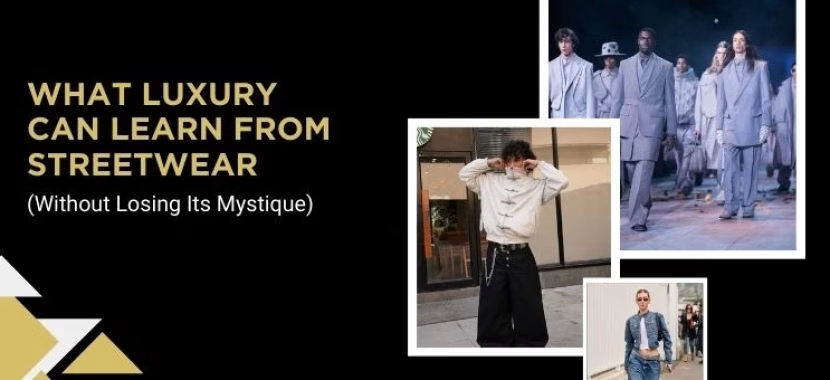
Luxury and streetwear occupy seemingly opposite ends of fashion’s spectrum. One operates from heritage ateliers with hushed boutiques and centuries of tradition. The other thrives on pavement culture, surprise drops, and pre-dawn queues outside shops. Yet streetwear has achieved something remarkable over the past decade: capturing cultural relevance and consumer desire that luxury once monopolised effortlessly. Rather than dismissing this shift as a temporary trend, sophisticated luxury houses are decoding streetwear’s success while protecting their essential mystique.
Cultural Democratisation Versus Top-Down Dictation
Traditional luxury operated through clear hierarchies. Creative directors and established maisons determined aesthetic direction while consumers followed prescribed taste. This top-down model worked brilliantly for decades, positioning luxury as aspirational precisely because it remained inaccessible to mass input or influence.
Streetwear fundamentally inverts this dynamic. It emerges from ground-level culture, drawing energy from music scenes, gaming communities, sports movements, and local subcultures rather than dictating from above. Instead of imposing taste, streetwear reflects and remixes cultural influences in real time, creating authenticity through participation rather than pronouncement.
Luxury brands can adapt this approach without abandoning authority. Listening to emerging communities, collaborating with culturally credible voices, and engaging with youth movements creates relevance without sacrificing sophistication. The objective isn’t becoming “street” but rather staying attuned to cultural conversations shaping contemporary aspiration. Hermès doesn’t need TikTok virality, but understanding why certain cultural moments resonate provides valuable strategic intelligence.
Drop Culture and Choreographed Scarcity
Streetwear perfected the “drop” model long before luxury tentatively adopted it. Limited releases announced in advance, launched simultaneously across channels, and sold out within minutes create urgency and community participation that traditional seasonal collections cannot match. The format transforms shopping into live events where participants feel culturally engaged rather than merely transactional.
Luxury’s adoption of drop mechanics must maintain brand-appropriate execution. Successful luxury drops remain tightly curated with limited volumes while aligning perfectly with brand aesthetics and craftsmanship standards. The distinction lies in presentation rather than principle.
What luxury should adopt from streetwear is launch choreography. Building anticipation through strategic storytelling, creating moments rather than mere availability, and fostering shared cultural participation transform drops from sales tactics into brand experiences. When Louis Vuitton collaborates with contemporary artists for limited releases, the execution feels luxury-appropriate while borrowing streetwear’s event-driven engagement model.
Community Building Beyond Customer Lists
Streetwear thrives through genuine community creation rather than simply accumulating customer databases. Buyers don’t purchase products alone but rather buy into scenes complete with Discord servers, pop-up events, and shared cultural references. Ownership functions as a community membership badge rather than isolated consumption.
Luxury has always maintained exclusive communities, but traditionally operated through quiet gatekeeping rather than visible participation. Contemporary opportunities exist for more layered community approaches that preserve exclusivity while embracing belonging. Private circles for premier clients can coexist with creative communities around art or design, and digital spaces where loyal customers preview collections and discuss brand evolution.
The critical balance maintains standards through curated access and behavioural expectations while delivering the belonging that younger luxury consumers increasingly demand. Brunello Cucinelli’s philosophical approach to community building demonstrates how luxury can foster meaningful connections without compromising premium positioning.
Strategic Collaboration as Innovation Engine
High-profile luxury-streetwear collaborations, including Louis Vuitton x Supreme, Dior x Jordan, and Gucci x The North Face, demonstrated cross-pollination power when executed authentically. Streetwear contributes freshness, irrelevance, and subcultural credibility, while luxury provides craftsmanship, heritage depth, and global distribution capabilities.
The lesson isn’t promiscuous collaboration but rather strategic partnership selection. Successful collaborations require partners possessing genuine cultural capital, creative freedom enabling authentic expression, and final products that feel like natural brand extensions rather than forced associations.
Over-collaboration risks audience fatigue and brand dilution. However, carefully timed partnerships with culturally relevant collaborators can inject vitality without overwhelming core identity. The key lies in selectivity and ensuring collaborations enhance rather than distract from fundamental brand narratives.
Real-Time Cultural Engagement
Streetwear communicates with remarkable speed, referencing current memes, musical releases, and global conversations almost instantaneously. Social media functions as the primary stage, while traditional campaigns serve supporting roles. The communication style embraces conversational tone, humour, and deliberately unpolished aesthetics that signal authenticity.
Luxury needn’t abandon refined imagery but can create parallel content streams, allowing more spontaneous cultural engagement. Responding to relevant cultural moments with brand-appropriate agility, sharing behind-the-scenes atelier content, and humanising craftsmanship through accessible storytelling adds depth without destroying mystique.
Contemporary mystique derives from depth rather than silence. Allowing audiences glimpses of skill, thinking, and artistry behind products creates meaning without eliminating magic. When Hermès shares artisan stories or manufacturing processes, transparency enhances rather than diminishes brand allure by demonstrating genuine substance that supports premium positioning.
Communicating Substantive Scarcity
Streetwear demonstrates how scarcity paired with cultural relevance transforms simple products into cultural icons. However, artificial scarcity without design merit burns out quickly once hype cycles are complete.
Luxury possesses inherent advantages through genuine scarcity rooted in rare materials, complex techniques, and time-intensive production. What streetwear can learn from streetwear is more effective scarcity communication. Rather than simply stating “limited edition,” explaining production limitations, artisan involvement, and specific differentiations provides substance supporting exclusivity claims.
Combining streetwear’s hype mastery with luxury’s substantive scarcity creates launches that feel both exciting and justified. When Patek Philippe explains why certain complications require years of production, the scarcity feels earned rather than manufactured.
Protecting Essential Mystique
The legitimate concern for heritage houses involves mystique erosion through superficial youth culture pursuits. This risk proves real when brands chase trends without strategic purpose or cultural understanding. Protection lies in three principles.
Craft integrity must never be compromised, regardless of product casualness. Even streetwear-inspired pieces require maintaining quality and detail standards that define luxury positioning. Consistency ensures every experiment feels recognisably aligned with core brand identity rather than desperate trend-following. Curation means selective engagement with relevant channels, trends, and collaborations rather than attempting comprehensive cultural participation.
Streetwear ultimately reminds us of a fundamental truth occasionally forgotten: desire operates emotionally, socially, and culturally before becoming a financial transaction. Learning from streetwear’s agility, community focus, and cultural fluency while maintaining uncompromising standards around craftsmanship and brand coherence enables luxury to remain simultaneously rare, relevant, and unmistakably itself.
Understanding these dynamics and implementing appropriate adaptations requires sophisticated judgment that LCBS develops through a curriculum combining cultural analysis with strategic brand management, preparing professionals to navigate luxury’s evolution without sacrificing its essential character!